
Dangerous blood clots are common when endometrial cancer requires chemotherapy
In patients with endometrial cancer receiving chemotherapy, venous thromboembolism is common and linked with advanced disease stage.
In patients with endometrial cancer receiving chemotherapy, venous thromboembolism is common and linked with advanced disease stage.

The time right after treatment is the hardest for women with endometrial cancer, but quality of life improves during recovery.

Urine-based biomarkers could help identify which women with abnormal bleeding need invasive testing for endometrial cancer.

The combination is currently being tested in a phase 2 clinical trial. Initial results are expected by the end of 2026.

Pembrolizumab improved progression-free survival in mismatch repair deficient advanced or recurrent endometrial cancer in a recent trial.

Trastuzumab pamirtecan produced meaningful tumor responses in heavily pre-treated patients with recurrent endometrial cancer.

Patients with endometrial cancer face physical and emotional burdens, with care barriers and delays making these burdens worse.

Researchers found that patients with obesity are diagnosed with EC at a significantly younger age than others.
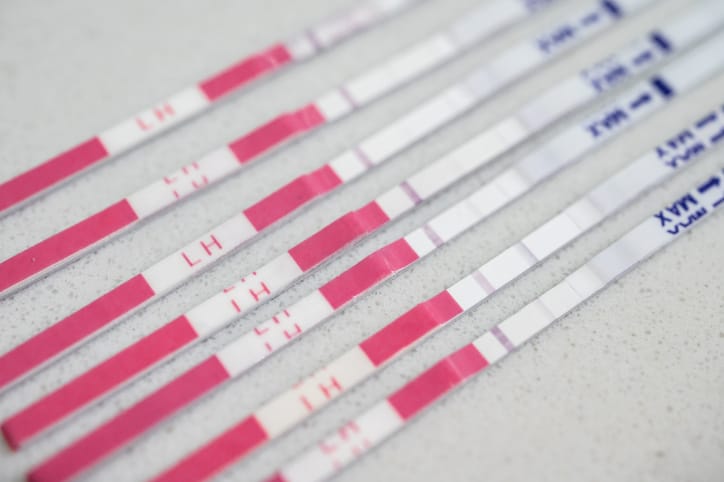
Women who ovulate for more years during their lives may have a higher risk of endometrial cancer, according to a recent review.
A combination of hormonal, metabolic and inflammatory mechanisms may contribute to the relationship between T2DM and EC.