More years of ovulation linked to higher risk of endometrial cancer
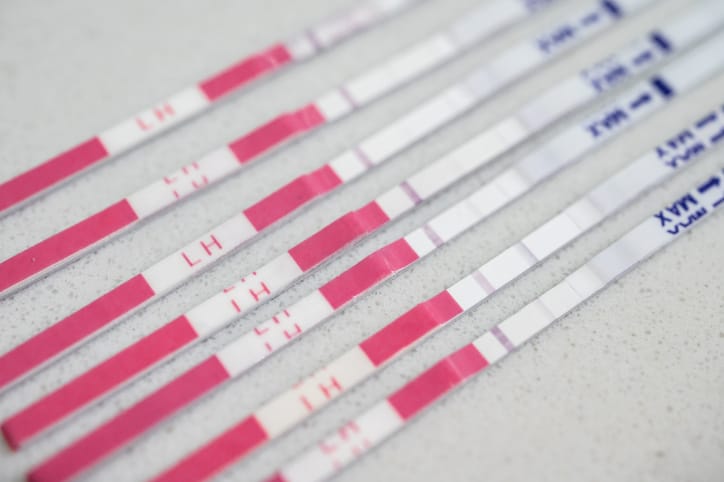
Women who ovulate for more years during their lives may have a higher risk of endometrial cancer, according to a recent review.
Women who ovulate for more years during their lives may have a higher risk of endometrial cancer, according to a recent review.
A combination of hormonal, metabolic and inflammatory mechanisms may contribute to the relationship between T2DM and EC.

A recent study found that metabolic and bariatric surgery can reduce the risk of endometrial cancer and severe outcomes associated with it.

A large-scale analysis of data from the UK Biobank demonstrated that sugar-sweetened beverages may raise the risk of endometrial cancer (EC).

MutL homolog 1 promoter hypermethylation (MLH1ph) is a molecular marker that identifies a distinct, higher-risk subgroup in EC.

Low doses of pembrolizumab could be effective in Asian patients with EC, who tend to have a lower BMI than Western populations.

Robot-assisted surgery can potentially lead to better outcomes among patients with endometrial cancer.

The integration of AI into various aspects of endometrial cancer care may mean better screening and disease monitoring.

Fertility-sparing treatment for endometrial cancer showed high response and pregnancy rates, but ongoing worries were common.

Though older individuals with EC are less likely overall to desire chemotherapy, there is wide variation in opinions, a study found.
