
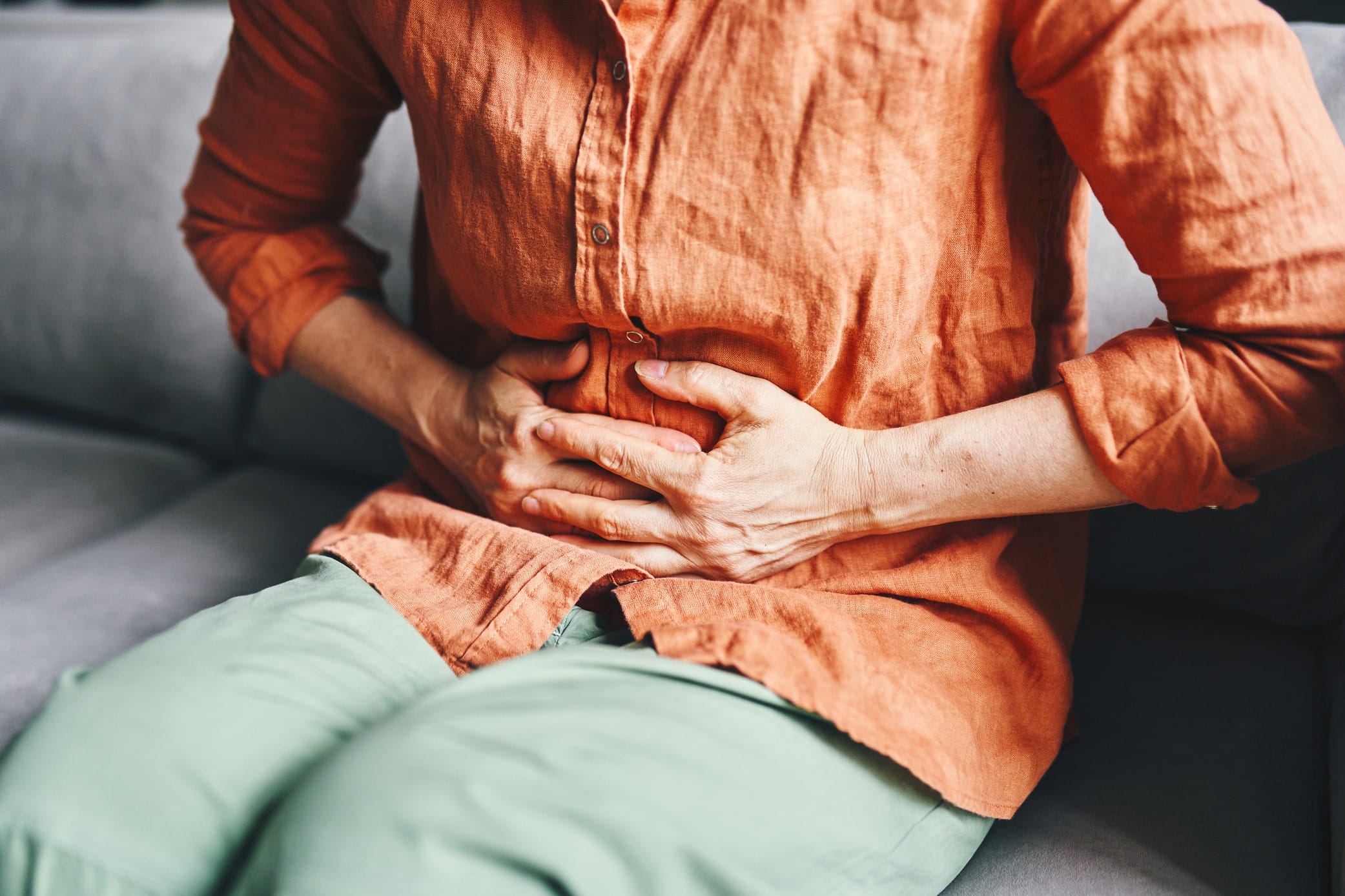
Many of the treatments for endometrial cancer (EC) carry digestive side effects, like bloating and constipation. EC itself can cause digestive discomfort as well, making these issues even harder to navigate. Thankfully, some small changes can usually help ease the discomfort.
Why EC and its treatment can cause digestive issues
A lack of appetite can be a sign of EC, especially in its later stages. This is because advanced stages of EC are associated with systemic inflammation (which can affect the gut). In addition, a sizable tumor growth can press on the gastrointestinal system, impeding its normal function. EC can also cause bloating, constipation and diarrhea; some patients report feeling full quickly when they eat.
More frequently, digestive discomfort is a side effect of treatment. Chemotherapy and radiation therapy are both associated with significant side effects, including nausea and vomiting, diarrhea and constipation. This is because chemotherapy and radiation therapy are blunt tools: They kill cancer cells, but in the process they can also cause a lot of damage to healthy cells. These therapies may irritate the lining of the stomach and slow the movement of food throughout your gastrointestinal system.
Hysterectomies, too, can cause digestive issues, like constipation and bloating. These are generally temporary and go away as you heal, but they can take up to a few weeks to fade. They occur because of the pain medications used during and after the surgery, and because you are less active than usual as you recover.
Dealing with gastrointestinal discomfort
No matter the cause, there’s a variety of basic steps that can go a long way in easing digestive issues during EC treatment.
Staying hydrated
If you find yourself having diarrhea, it is important that you stay hydrated — you may be losing more fluids than you realize. Juices, clear soups and sports drinks can help if you don’t want to drink water.
You may also be losing a lot of electrolytes, which you can replenish by taking oral rehydration salts. In severe cases of electrolyte depletion, you may require an IV drip, which will be able to replenish your electrolytes at a much faster rate.
Relieving constipation
If you find that constipation becomes a problem, a natural aid is to consume foods that are rich in fiber. Fiber is known to help bowel movements proceed more smoothly. In addition, make sure you drink plenty of water, as this too can help bowel movements.
Read more about EC causes and risk factors
Reducing bloating
If you find yourself feeling bloated, it’s important to stay hydrated, but make sure you avoid carbonated drinks: The gas in these drinks can worsen the sensation.
If you feel able, try gentle movement, such as a short walk. Make sure you chew your food and eat slowly; eating too fast may cause you to ingest gas.
Boosting appetite
If you find that your appetite has significantly shrunk, try eating smaller portions of food throughout the day. If strong smells make you feel nauseous, try eating cold or room-temperature foods. Shakes and smoothies may also be an easier way to consume nutrients and calories.
Speaking to your doctor
If any of these digestive side effects become unmanageable, you should speak to your doctor. They may be able to prescribe you medications that help, or refer you to a dietitian who may be able to give you additional advice on your diet and lifestyle. With the right adjustments, these digestive side effects can be significantly minimized, if not resolved altogether.
Sign up here to get the latest news, perspectives, and information about EC sent directly to your inbox. Registration is free and only takes a minute.
