
Radiation therapy can be used as part of endometrial cancer (EC) treatment, often after surgery to kill any remaining cancer cells and prevent the cancer from coming back. Radiation in EC is given in two ways: by placing a radiation-filled device inside the vagina (called brachytherapy), or from a source outside the body (called external beam radiation).
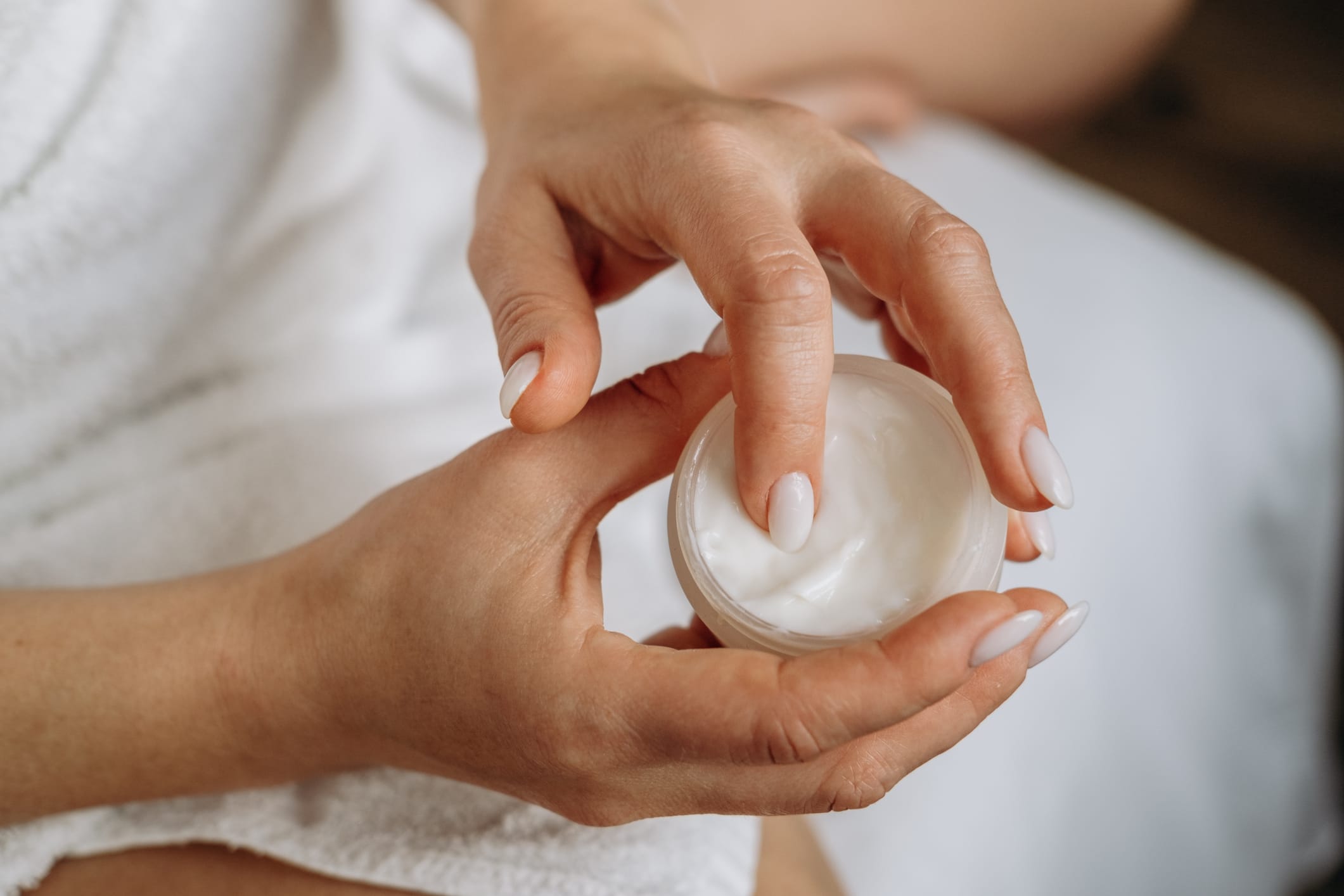
The latter can be hard on your skin. Medication and topical creams will help, but there are steps that you can take to protect and soothe your skin when undergoing radiation therapy.
How radiation therapy affects your skin
Much like ultraviolet radiation from the sun can cause a sunburn, radiation used to treat EC can also damage the skin — but often more severely. After a few weeks of treatment, patients may see skin changes or irritation such as:
- Redness or other color changes.
- Itchiness.
- Puffiness or swelling.
- Blistering, peeling or weeping.
These skin-related symptoms may appear in the areas of the body closest to treatment, such as the lower abdomen, pelvis, vulva, groin and upper thighs.
Once treatment is done, it will take several weeks before these changes start to ease. Some patients see long-term changes to skin in the treatment area, such as hardening of the skin, sensitivity or permanent color changes.
Learn more about EC treatment and care
Tips for caring for your skin during radiation therapy
Caring for your skin during treatment will help reduce the discomfort of these side effects.
Your healthcare team will prescribe topical creams and pain relief. Ask their advice on the best moisturizers and soaps for your irritated skin. You’ll need to avoid perfumed products: Fragrances can irritate your skin even more. You’ll also need to avoid antibacterial soaps, as they can also harm your skin. Choose a mild unscented soap instead.
Keeping the skin clean will be important to protect against infection. Take lukewarm (not hot) baths or weak salt baths. Use your hands, not a washcloth or loofah, to wash irritated skin; this will reduce how much the skin is rubbed and avoid irritating it further.
Here are some other tips on how to care for your skin.
- Avoid tight clothing; wear loose-fitting, natural fibers.
- While most outfits will cover damaged skin, make sure to protect any irritated skin from the sun.
- Avoid placing sticky Band-Aids or tape on irritated skin.
- Avoid rubbing or scratching your skin.
- Avoid exposing the irritated area to hot or cold temperatures, such as heating pads or ice packs.
- Avoid shaving the irritated area.
When to contact your doctor
Skin can become infected following radiation therapy and caution must be taken to avoid serious consequences. It is time to contact a member of your healthcare team if you observe any of the following:
- A fever of 100°F or over.
- You’re feeling chills.
- You have open, weeping sores.
- Your pain and discomfort is worsening.
- Your skin feels hot and itchy.
If you have any other questions or concerns, contact your medical teams without delay.
Sign up here to get the latest news, perspectives, and information about EC sent directly to your inbox. Registration is free and only takes a minute.
