
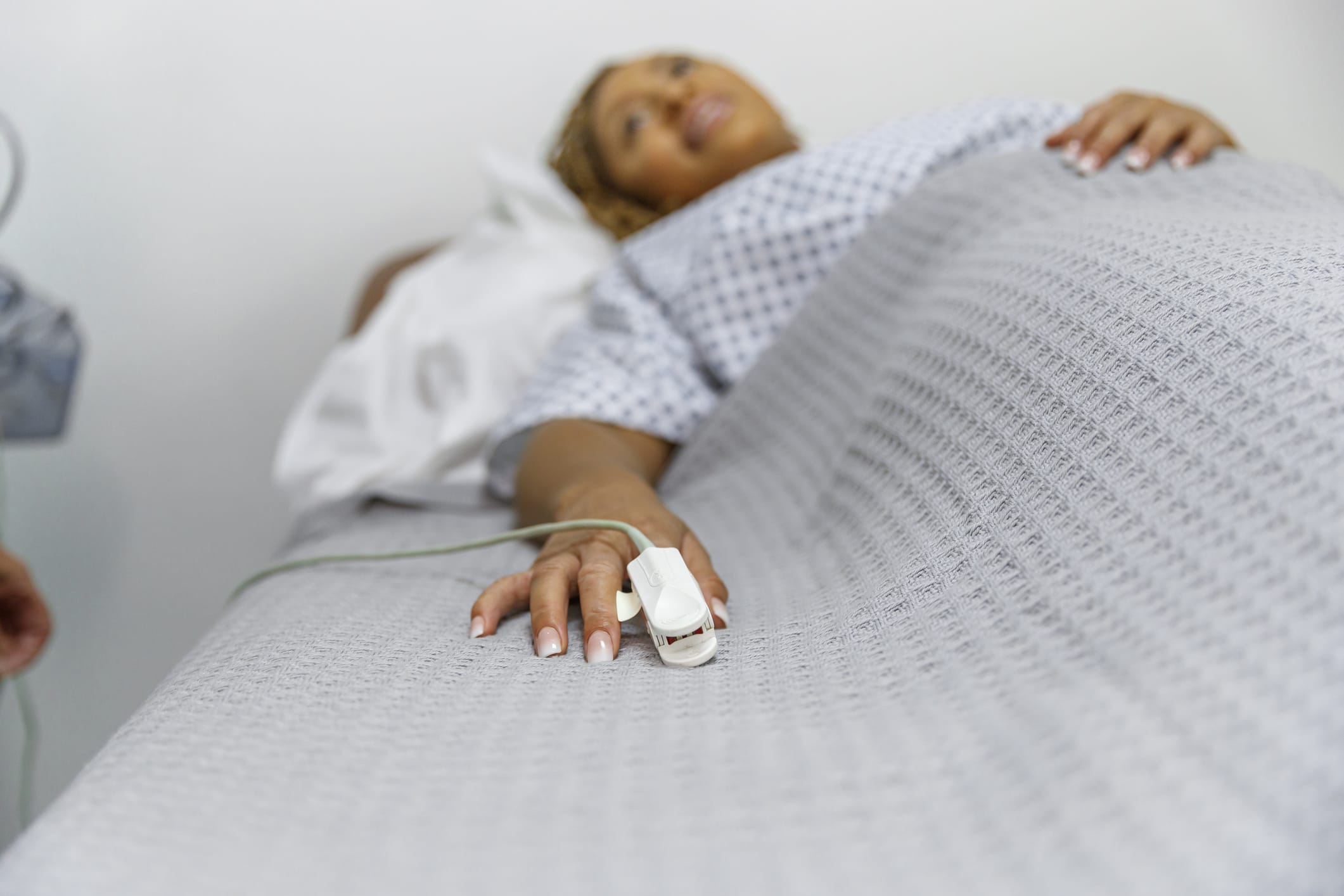
Taking the time to physically and emotionally heal from endometrial cancer surgery is critical for your long-term recovery and well-being.
It will prepare you for the possible next steps, which could include chemotherapy or radiation, and reduce the risk of complications such as infection or slow internal wound healing. It’s important to clear your schedule and rest.
Home recovery after endometrial cancer surgery: what to expect
The length of your recovery period will largely depend on the kind of endometrial cancer surgery you have–open abdominal surgery or a laparoscopic hysterectomy.
Laparoscopic hysterectomy is also known as a keyhole or minimally invasive surgery, and offers a shorter hospital stay (one to two days) or no hospital stay at all. This procedure can also include faster recovery (two to four weeks) and minimal scarring. Open abdominal surgery involves an abdominal incision of six to eight inches and recovery time takes longer–about 6 to 8 weeks–allowing sufficient time for the incision to heal.
For both options, you will need someone to pick you up from the hospital and take you home. You can expect to feel fatigue, internal discomfort and pain around the incision site.
Learn more about EC treatment and care
Simplify your living space
Move between your bed and the couch so you can lie with your head and upper back supported by extra cushions. Add a throw rug or two for comfort.
Set up everything you need within reach–a phone charger, book, medication, water bottle, tissues and snacks.
You’ll be less mobile, so add a non-stick mat to the bath or a plastic chair in the shower.
Plan ahead for meals
Order groceries for delivery instead of going to the grocery store. Consider ordering takeout or delivery to your home. You may want to ask a friend or family member if they can help cook or prepare meals that you can easily grab or heat up after your surgery.
Protect your internal healing
Sleep is part of the healing process – nap whenever your body tells you to. Avoid lifting, straining, pulling or pushing.
Driving is not advised, and try to limit physical activity, except for gentle walking. Don’t do anything that requires physical effort too soon, or you risk damaging the healing of your internal and external incisions.
Ask for help
Set up a roster prior to surgery of close friends and family who can keep you company, accompany you to follow-up appointments or assist you at home. Know who you can contact in an emergency.
Wound healing and recovery
Take your medication, including pain relief, as advised. Make sure you follow all guidance received from your doctor to care for your incision site.
Contact your doctor immediately if your incision site is red, inflamed, or bleeding, or if you develop a fever.
Sign up here to get the latest news, perspectives, and information about EC sent directly to your inbox. Registration is free and only takes a minute.
