
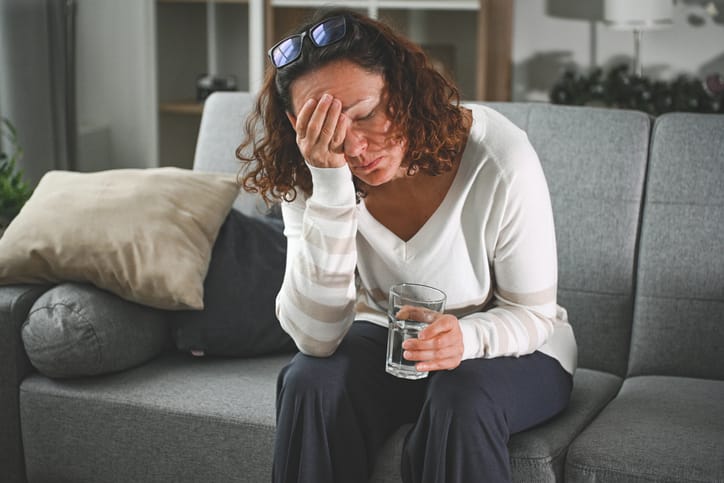
Hormone therapy is a common treatment for endometrial cancer (EC). Certain hormones can help cancer grow and spread. Hormone therapy (also called endocrine therapy) lowers your hormone levels to prevent this growth. Though this often carries side effects, there are ways of managing their impact.
When is hormone therapy used in endometrial cancer?
The standard treatment for endometrial cancer is surgery to remove the uterus, also known as a hysterectomy. However, chemotherapy, radiation therapy and hormone therapy are often used in addition to surgery, depending on the stage and the grade of the cancer.
For example, hormone therapy is used in:
- Advanced stages of endometrial cancer that have spread beyond the uterus.
- Early-stage cancer in younger women who still want to have children.
- Early-stage cancer when surgery is not possible for other health reasons.
- Endometrial cancer that has recurred.
- Lower-grade, smaller or slow-growing tumors.
What are the common side effects of hormone therapy?
There are several different hormone treatments that may be used in endometrial cancer, namely progestins, tamoxifen and aromatase inhibitors. Progestins are the most common; these mimic the hormone progesterone, and lower estrogen activity. Which hormone treatment you receive will depend on many factors, such as your age and cancer stage.
Side effects differ from one hormone therapy to the next, and also from patient to patient. Here is a list of the most common side effects:
- Progestins
- Mood changes and depression.
- Fatigue.
- Weight gain.
- Swelling in hands and feet.
- Aromatase inhibitors
- Vaginal dryness.
- Fatigue.
- Nausea.
- Hot flashes.
- Joint and muscle pain.
- Tamoxifen
- Hot flashes.
- Leg cramps.
- Vaginal dryness.
Learn more about EC treatment and care
Tips for managing side effects from endocrine therapy
Here are some ways to manage the more common side effects from hormone therapy for endometrial cancer:
- Weight gain: Some hormone treatments can increase your appetite and cause bloating. Try reducing your salt intake and getting more low-impact physical activity. Avoid snacking and aim for a well-balanced diet with protein and leafy greens.
- Mood changes: Hormone therapy can cause anxiety and depression. Physical exercise can help boost your mood, as can good quality sleep. Talk to your doctor about medication if symptoms don’t ease over time.
- Fatigue: Fatigue is complex: it may be tied to other side effects, such as depression and pain, or it may be a side effect on its own. Prioritize sleep, including making time for short naps during the day. A healthy diet and regular exercise can also help.
- Joint pain: Joint aches and pain is a common side effect. Heat packs and over-the-counter pain relief can help. Joint pain often improves once you start moving around; try gentle stretching or low-impact physical exercise, especially swimming.
- Hot flashes: Hot flashes are one of the most common side effects. Try wearing layers of natural fibers so you can more easily adjust your temperature, stay hydrated, and avoid caffeine, alcohol and spicy foods. Antidepressants, acupuncture, and relaxation techniques may also help.
- Vaginal dryness: Try using vaginal lubricants and moisturizers. If you feel embarrassed bringing it up with your doctor, it may help to know that vaginal dryness (as well as vaginal thinning) is a common side effect of hormone therapy.
- Leg cramps: To ease and prevent leg cramps and other muscle cramps, stretch regularly and stay hydrated. Ask your doctor about magnesium supplements if leg cramps persist.
Hormone therapy often lasts for several years. If you’re bothered by symptoms that small lifestyle changes won’t fix, talk to your care team about adjusting your treatment plan.
Sign up here to get the latest news, perspectives, and information about EC sent directly to your inbox. Registration is free and only takes a minute.
